




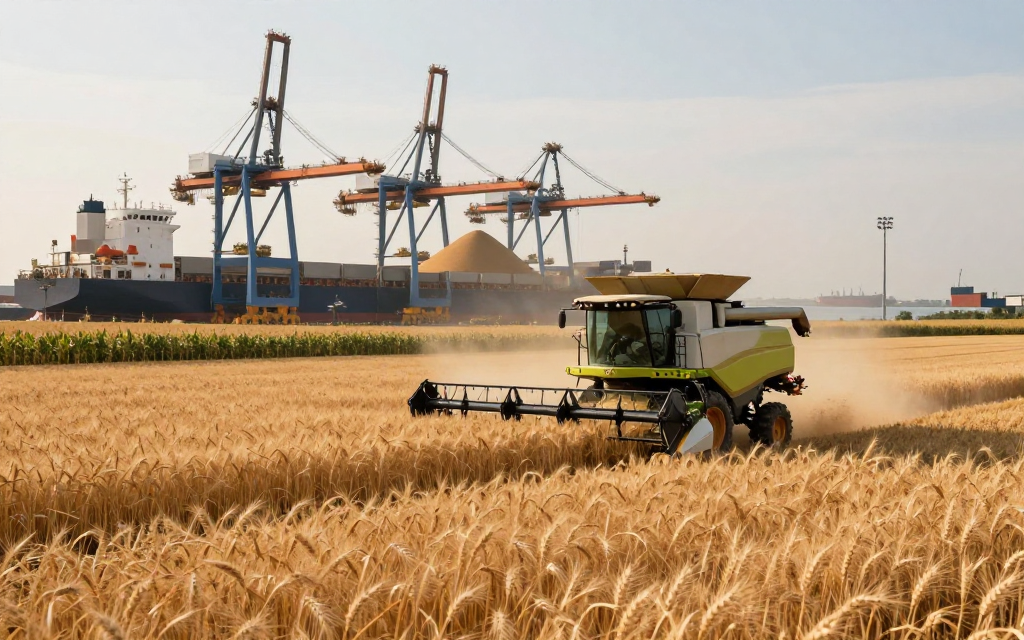
Buğday, mısır ve soya fasulyesi salı gününe baskı altında başlarken piyasalar pazartesi günkü rallinin bir bölümünü geri veriyor. ABD’de hızlanan hasat, daha düşük ham petrol fiyatları ve yüksek spekülatif pozisyonlar; daha güçlü Çin talebi beklentileri ve devam eden Karadeniz riskiyle karşı karşıya geliyor.
Küresel tahıl piyasaları 22 Eylül Salı gününe daha düşük seviyelerde başlıyor. Pazartesi günkü güçlü spekülatif alımların ardından bir miktar kâr realizasyonu görülüyor. ABD–Çin zirvesi talep açısından ana potansiyel katalizör olmaya devam ederken, ABD hasadındaki ilerleme, Güney Amerika için daha yüksek üretim beklentileri ve zayıflayan enerji piyasaları yukarı yönlü potansiyeli sınırlıyor. Karadeniz’de devam eden askeri risk ise buğday fiyatlarının altında önemli bir risk primi tutmaya devam ediyor.
ABD–Çin Beklentileri Talep Açısından Ana Katalizör Olmayı Sürdürüyor
ABD ile Çin arasındaki ticaret görüşmeleri, pazartesi günü olası bir anlaşmaya yönelik beklentilerin güçlü spekülatif alımları tetiklemesinin ardından piyasa psikolojisine yön vermeye devam ediyor. Piyasa, Çin’in 25 MMT soya fasulyesine ek olarak ABD mısırı ve buğdayı satın alabileceği beklentisini koruyor; Çin’in soya fasulyesi alımlarının ise 14 MMT’ye yaklaştığı tahmin ediliyor. Karşılıklı tarifelerin kaldırılması ihtimali destekleyici olsa da, bu iyimserliğin önemli bir kısmı pazartesi günkü rallide zaten fiyatlandığı için yeni alımlar teyit edilene kadar piyasa kâr satışlarına açık durumda.
ABD Hasadı Hızlanıyor ve Mevsimsel Baskıyı Artırıyor
ABD’de hasat ilerlemesi giderek daha belirgin bir mevsimsel baskı unsuruna dönüşüyor. Mısır hasadı %13’e ulaşarak beş yıllık ortalama olan %11’in üzerine çıktı; ürünün %58’i olgunlaşmış, %92’si ise dent aşamasına gelmiş durumda. Soya fasulyesi hasadı da hızlı ilerliyor ve %12 tamamlanmış durumda; bu oran beş yıllık ortalama olan %8’in üzerinde. Ürünün %62’sinde yaprak dökümü başlamış durumda. Hasadın hızlanması fiziksel arz akışını artırıyor ve ticaret beklentileri destekleyici kalsa bile vadeli fiyatlardaki rallileri sınırlayabiliyor.
Midwest Hava Koşulları Daha Az Sorunlu Hale Geliyor
Orta Midwest’in son dönemdeki yoğun yağışların ardından bir mola vermesi beklenirken, yağışların Doğu Corn Belt’in uç kesimlerine ve Plains eyaletlerine kayması öngörülüyor. Bu durum, yakın zamanda ıslak hava nedeniyle yavaşlayan bölgelerde hasadın yeniden hızlanmasına imkân sağlayabilir ve mısır ile soya fasulyesi üzerinde kısa vadeli baskıyı artırabilir. Bununla birlikte ikinci hafta tahminleri ABD’nin orta kesimlerinde yeniden normalin üzerinde yağış öngörüyor ve hava riskini tamamen ortadan kaldırmıyor.
Mısırdaki Rekor Uzun Pozisyon Tasfiye Riskini Artırıyor
Mısır piyasasında spekülatif pozisyonlanma giderek daha kritik hale geliyor. Para yöneticileri pazartesi günü 30,000’in biraz üzerinde kontrat alarak net uzun pozisyonlarını yaklaşık 440,000 kontrata çıkardı; bu seviye yeni bir rekor anlamına geliyor. Çin’den yeni talep gelmesi halinde bu kadar büyük bir pozisyon ralliyi hızlandırabilir, ancak zirvenin yeni alımlar üretmemesi veya hasat baskısının artması durumunda ciddi tasfiye riski de yaratıyor.
ABD mısırının durum değerlendirmesi %57 iyi/mükemmel seviyesinde kalırken, güncellenmiş göstergeler ortalama verimi 178.2 bpa ve üretimi 15.773 milyar bushel seviyesinde işaret ediyor. Bu rakam geçen haftaya göre 24 milyon bushel daha düşük olsa da USDA’nın 15.80 milyar bushellik tahminine hâlâ yakın. Bu nedenle üretim tarafı nispeten rahat görünürken, sürdürülebilir bir fiyat artışı için talep daha kritik bir faktör haline geliyor.
Sinograin İhaleleri Soya Fasulyesindeki Yükseliş Senaryosunu Sınırlıyor
Çin talebi soya fasulyesini desteklemeye devam ediyor, ancak iç rezerv satışları bu olumlu tabloya karşı dengeleyici bir unsur oluşturuyor. Sinograin, salı günkü ihalede sunulan soya fasulyesinin %62’sinden biraz fazlasına karşılık gelen 338,674 MT sattı ve gelecek pazartesi için 514,000 MT daha satış planladığını açıkladı. Rezervlerden düzenli satış yapılması, ABD–Çin ticaret görünümü olumlu kalmaya devam etse bile kısa vadede ek ithalat ihtiyacını azaltabilir.
Soya fasulyesi bilançosu ise görece destekleyici kalıyor. Güncellenmiş değerlendirmeler ABD verimini 52.5 bpa, üretimi ise 4.511 milyar bushel seviyesinde gösteriyor; bu rakam USDA’nın 4.535 milyar bushellik tahmininin altında. Ancak hasadın normalden hızlı ilerlemesi ve fonların soya fasulyesi ile soya küspesinde pozisyonlarını artırması, yeni yükselişlerin devamı için talep tarafında teyit ihtiyacını artırıyor.
Güney Amerika Daha Büyük Mısır ve Soya Arzına İşaret Ediyor
Arjantin’e ilişkin son tahminler mısır ve soya fasulyesi için uzun vadeli arz baskısını artırıyor. Buenos Aires Tahıl Borsası, 2026/27 mısır üretimini 66 MMT olarak tahmin ediyor; bu rakam geçen yılki 64 MMT’nin üzerinde. Ekim alanlarının %11.1’i tamamlanmış durumda. Soya fasulyesi üretiminin ise 53.6 MMT olması bekleniyor; geçen yıl bu rakam 50.1 MMT idi. Bu hacimler gerçekleşirse her iki piyasa için de baskı yaratabilir; özellikle Brezilya’da soya fasulyesi ekiminin şimdiden %1’in biraz üzerine çıkmış olması bu baskıyı güçlendiriyor.
Buğdayda ise Arjantin ters yönde bir sinyal veriyor. 2026/27 üretimi 23.4 MMT ile geçen yılki 27.8 MMT’nin altında tahmin ediliyor. Bu daha düşük görünüm, ABD piyasasının hasat ilerlemesi ve zayıf erken işlem havasıyla baskı altında olduğu bir dönemde uluslararası buğday fiyatlarına bir miktar destek sağlıyor.
Karadeniz Gerilimi Buğdayın Altında Destek Sağlamayı Sürdürüyor
Askeri risk, buğday fiyatları için en güçlü destek unsurlarından biri olmaya devam ediyor. Rus ve Ukrayna güçlerinin liman altyapısı ve yük gemilerine yönelik saldırıları, Karadeniz’de daha güvenli geçiş sağlanmasına yönelik olası bir moratoryum görüşmelerine rağmen sürüyor. Rusya ayrıca 2026 sonuna kadar tahıl ihracat vergilerini sıfıra indirdi; bu da Rus tahılının rekabet gücünü artırabilir. Ortaya çıkan tablo karışık: lojistik riskler devam ederken, ihracat yapılabilen noktalarda politika satışları teşvik ediyor.
ABD’de kışlık buğday ekimi %17 ile beş yıllık ortalama olan %21’in gerisinde kalırken, baharlık buğday hasadı %96 ile neredeyse tamamlanmış durumda. Kışlık ekimdeki yavaşlık bir miktar destek sağlasa da, vadeli fiyatlar şu aşamada Karadeniz gelişmeleri ve genel riskten kaçış eğilimine daha duyarlı.
Zayıflayan Enerji Yağlı Tohum Kompleksini Baskılıyor
Enerji piyasaları salı günü ek bir negatif faktör oluşturuyor. Kasım ’26 WTI ham petrolü varil başına $1.80 düşüşle $90.55 seviyesinde, RBOB benzini galon başına $0.02 ve heating oil $0.07 geriliyor. Düşüş, İran’ın ABD’nin gerilimi azaltmaya yönelik adımlar atması halinde Hürmüz Boğazı’nı yeniden açmayı teklif ettiğine yönelik haberlerin ardından geliyor ve enerji piyasasındaki son jeopolitik primi azaltıyor. Daha düşük ham petrol özellikle soya yağını olumsuz etkiliyor ve soya kompleksi içinde düşüşe öncülük ediyor.
ABD doları da kısa süre önce ulaştığı iki aylık zirvenin ardından salı günü hafif geriliyor. Bu durum ABD tarım ihracatının rekabet gücüne bir miktar destek veriyor, ancak daha zayıf dolar hasat baskısını, düşük enerji fiyatlarını ve erken işlemlerdeki kâr satışlarını dengelemek için yeterli değil.
Buğday Vadeli İşlemleri
Buğday salı gününe belirgin baskı altında başlıyor. Aralık ’26 Chicago buğdayı $0.08 düşüşle $7.18 1/2/bushel, Aralık ’26 Kansas City buğdayı $0.11 düşüşle $7.83/bushel, Aralık ’26 Minneapolis buğdayı ise $0.06 düşüşle $7.40/bushel seviyesinde. Karadeniz’de süren saldırılar ve Arjantin’de daha düşük buğday üretimi beklentisi temel destek sağlarken, kâr satışları, ABD baharlık buğday hasadının neredeyse tamamlanmış olması ve Rusya’nın ihracat vergilerini sıfırlaması fiyatları savunmada tutuyor.
Mısır Vadeli İşlemleri
Aralık ’26 mısır $0.04 düşüşle $5.39/bushel seviyesinde ve erken işlemlerde iki yönlü hareket görülüyor. Fiyatlar 11 Eylül USDA raporu günü oluşan bant içinde kalmaya devam ediyor. Rekor seviyedeki fon uzun pozisyonu ve hasadın %13’e ulaşması tasfiye ve mevsimsel arz riskini artırırken, Çin’den potansiyel alım beklentisi ana yükseliş karşıt faktörü olmaya devam ediyor.
Soya Fasulyesi Vadeli İşlemleri
Soya fasulyesi pazartesi günkü rallinin bir bölümünü geri veriyor. Kasım ’26 soya fasulyesi $0.07 düşüşle $13.21/bushel seviyesinde. Ekim ’26 soya küspesi $1.40 düşüşle $365.20, Ekim ’26 soya yağı ise 60 puan düşüşle 67.68 seviyesinde; crush marjı da $0.04 1/2 daha gerileyerek $2.35 1/2/bushel seviyesine indi. Çin talebi beklentileri ve USDA’nın altında kalan ABD üretim tahmini soya fasulyesine destek sağlarken, Sinograin rezerv satışları, hızlı hasat, düşük ham petrol ve artan spekülatif pozisyonlar yükseliş potansiyelini sınırlıyor.