




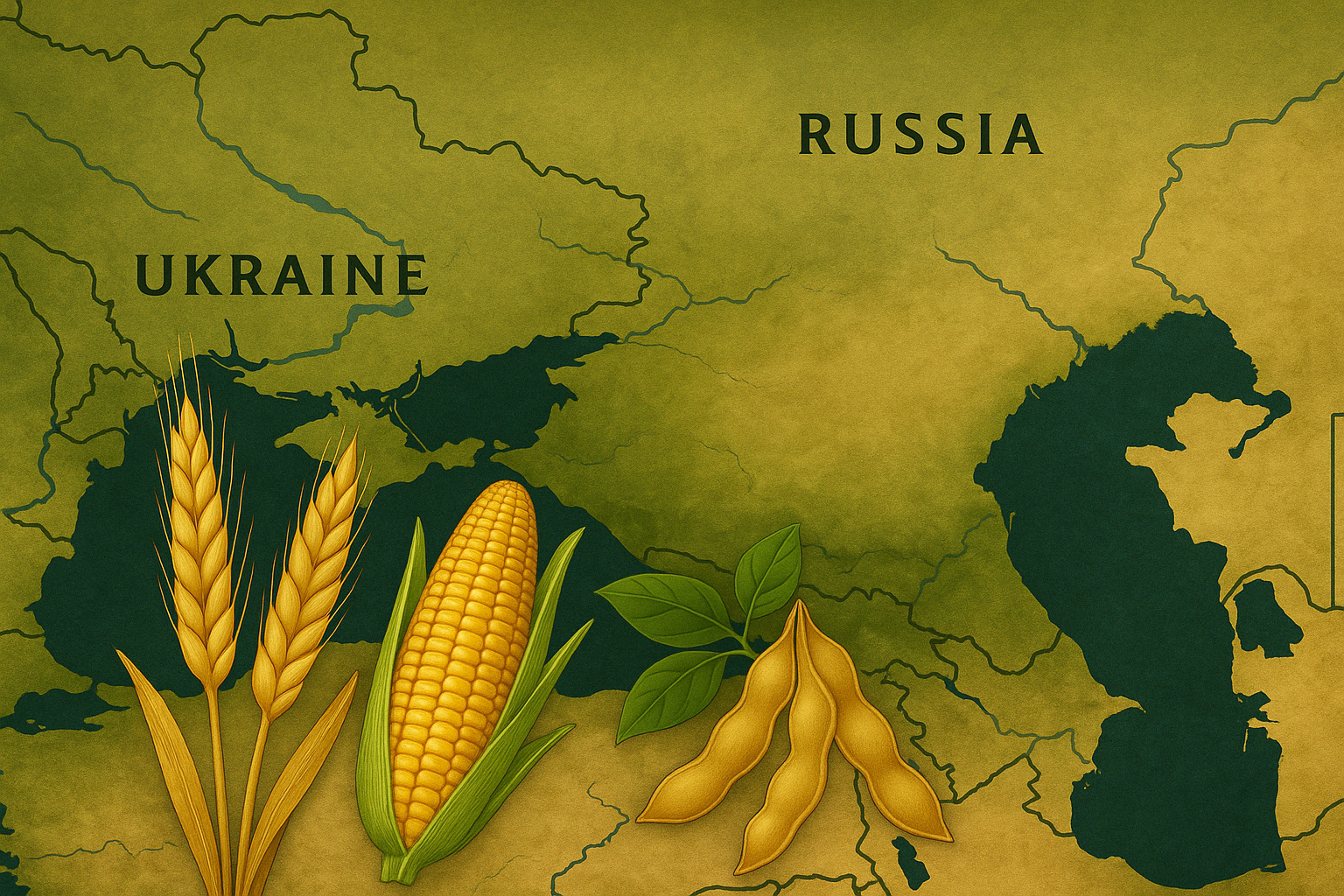
The Black Sea region is once again the main source of volatility for European grain markets. Restrictions on Ukrainian and Russian export flows, problems along maritime and Danube routes, and changing behavior among international buyers are increasing the market value of alternative European origins. At the same time, Turkey’s efforts to establish a new mechanism for safe shipping create the potential for a sharp shift in the balance if larger volumes of Ukrainian and Russian grain return to the international market.
Black Sea Export Capacity Remains Severely Restricted
The beginning of September is marked by significant restrictions on supplies from the Black Sea region. This has led to a rapid shift in international demand toward France and other European suppliers and has supported wheat, corn and rapeseed prices. The market is responding not only to the current shortage of physical supplies, but also to concerns surrounding future planting plans in Russia and Ukraine.
Russian Exports Could Remain Far Below Normal Levels
Russian grain exports next month are expected to fall below 2.3 million tonnes, which would represent a decline of around 50% compared with September 2025. Such a restriction has a significant impact on the international balance because Russia traditionally holds a large exportable surplus. As long as physical flows remain constrained, European suppliers benefit from a stronger competitive position and increased demand.
Ukrainian Logistics Channels Remain Under Severe Pressure
Ukrainian grain exports by rail have fallen 77% year over year, while problems along maritime routes continue. Around 70 vessels are blocked near the Sulina Channel on the Danube, while the world’s largest container shipping line has stopped accepting new bookings for the port of Novorossiysk. These disruptions show that the restrictions are not limited to one particular transportation route, but affect a substantial part of the regional logistics system.
International Buyers Are Beginning to Permanently Shift Origins
Disruptions in the Black Sea are already changing importer behavior. Indonesia is shifting toward Australian supplies, while Bangladesh is turning to Romanian grain. What matters for the market is that such changes in origin could remain in place even after logistics eventually normalize if buyers decide to favor more reliable and diversified supply channels.
Russia’s Large Surplus Remains a Potential Source of Pressure Later On
Despite the export restrictions, Russia has a large underlying crop and sharply lower domestic prices. This means that significant volumes could reach the international market if port logistics normalize. As a result, the current support for European prices remains dependent on how long restrictions in the Black Sea region persist.
Turkey Is Preparing a New Safe-Transit Mechanism
Ankara is working on a plan for the safe transit of grain through the Black Sea and remains in contact with both Russia and Ukraine. The objective is to create a new agreement similar to the 2022 Black Sea Grain Initiative. The previous mechanism allowed around 33 million metric tonnes of Ukrainian grain to be exported by sea before Russia withdrew from the deal in 2023.
A New Corridor Would Have a Two-Sided Market Impact
Improved maritime security would reduce the logistics risk premium and allow larger volumes of Ukrainian grain to return to the market. This would be positive for physical trade and cargo flows, but at the same time could pressure prices for European suppliers that currently benefit from Black Sea restrictions. For this reason, any indication of progress toward such an agreement has the potential to trigger a rapid price reaction.
Euronext Responds With a Sharp Rise in Wheat
Restricted Black Sea supplies have provided strong support to European prices. The December Euronext wheat contract rose €3.25 to €248.25/tonne, while the September contract gained €4.50 to €241.50/tonne. The move reflects both reduced availability from the Black Sea and the redirection of international demand toward European origins.
Corn Follows the Same Upward Direction
The November Euronext corn contract rose €2.50 to €272.25/tonne, while the March contract reached €265.75/tonne, also gaining €2.50. Restricted Ukrainian flows are reducing available supply, while weak prospects for the European crop provide additional support. In France, the share of corn rated in good-to-excellent condition has fallen to just 28%.
The European Corn Crop Remains Under Severe Pressure
Weather problems are affecting a significant part of Europe. Corn losses have reached 50–70% in Slovenia, around 40% in France and 20–25% in Italy, while damage in some non-irrigated areas is estimated at as much as 70%. This intensifies the impact of restricted Ukrainian supplies and means the European corn balance remains sensitive both to domestic production and to developments in Black Sea logistics.
Rapeseed Gains Support From Weak Ukrainian and Russian Supplies
European rapeseed is also moving higher, with lower exports from Ukraine and Russia providing a key source of support. Restricted supply from the Black Sea region is keeping German crushers interested in locally available raw material and supporting European prices. The November Euronext contract gained €6.50 to €550.75/tonne, while the March contract rose €5.25 to €551.75/tonne.
Australia and Canada Could Limit the Rapeseed Rally
Despite restricted Black Sea supplies, additional availability could emerge from other major producers. Australia’s rapeseed crop is expected to reach 7.3 million tonnes, around 1 million tonnes above the previous forecast, increasing the country’s export potential. Canada is also seeking to increase shipments to Europe. If sufficiently large volumes arrive, they could limit part of the current rise in European prices.
European Prices Reflect a High Logistics Premium
During the week, nearby milling wheat futures in Chicago traded at around $250–273/tonne, while Euronext futures were between $265 and $276/tonne. For corn, the range was approximately $193–203/tonne in Chicago and $304–311/tonne on Euronext. The differences highlight the significant premium currently being paid by the European market for restricted regional supplies, weather risk and uncertainty surrounding the Black Sea.
The Black Sea Remains the Main Source of Price Volatility
The key question for the coming weeks is whether restrictions on Russian and Ukrainian supplies will persist or whether diplomatic efforts will lead to a new functioning maritime mechanism. If logistics problems continue, demand is likely to remain directed toward alternative European and global origins and sustain a higher price premium. If safe transit is restored, large volumes of grain could return to the international market relatively quickly and intensify competition. It is precisely this uncertainty that makes the Black Sea region the main driver of European grain-market volatility at the start of September.