




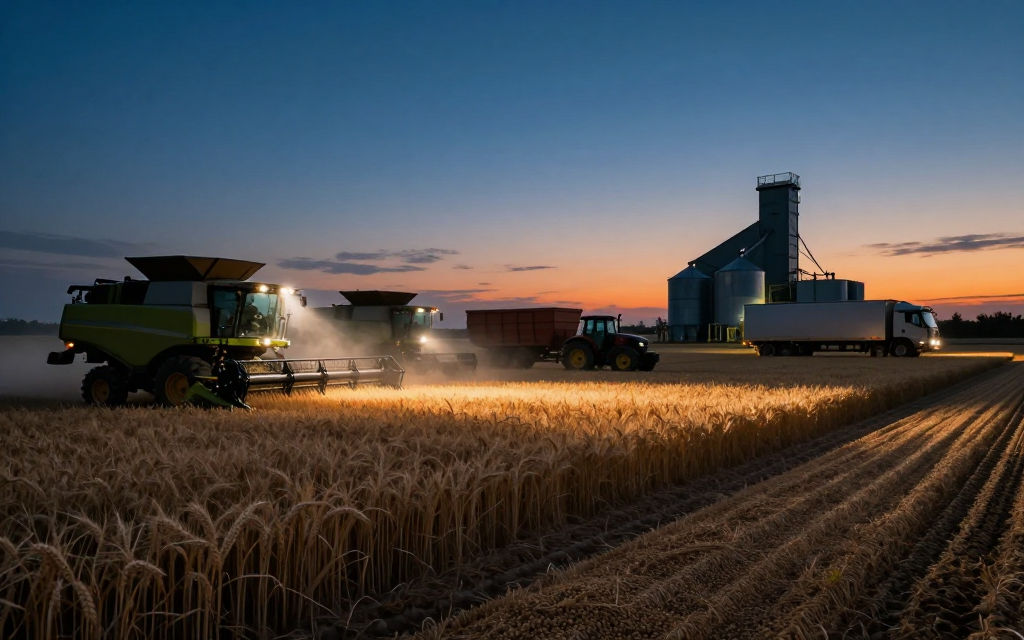
Summary: Chicago grains closed Wednesday higher across the board as rising crude oil, supportive weather risks and steady export expectations drove buying - wheat led with double-digit gains, corn followed on energy support, and soybeans posted modest increases backed by crush demand and meal activity.
Energy markets were the primary catalyst for the session. Crude oil rose $1.50 on the day and rebounded significantly from earlier lows, restoring part of the biofuel-driven demand narrative. That move supported vegetable oil markets and improved sentiment for both soybeans and corn, as biofuel economics directly influence soy oil demand and ethanol margins.
Wheat was the standout performer, rallying sharply on weather-driven concerns. Forecasts calling for continued dryness across much of the U.S. Plains, particularly from Nebraska to Texas, raised concerns about soil moisture and crop development. That dryness, combined with ongoing global demand, reinforced a constructive bias for wheat and triggered aggressive buying.
Export expectations added another layer of support. Traders are positioning ahead of Thursday’s weekly Export Sales report, with expectations for moderate wheat sales and continued steady demand. Strong global flows, particularly from the Black Sea region, remain a key influence, as rising Russian exports continue to reshape competitive dynamics.
Corn followed the broader market higher, supported by both energy and physical demand signals. The national average cash price rose, reflecting firm underlying demand. Although ethanol production data showed a slight weekly decline, the broader trend of elevated gasoline prices and biofuel demand continues to provide structural support for corn.
Soybeans posted moderate gains, stabilizing after earlier weakness. The market drew support from stronger soymeal and soy oil futures, as well as a private export sale of soybean meal. Domestic crush demand remains robust, reinforcing underlying support even as export uncertainty lingers.
South American developments remain a key variable for soybeans. Brazil’s harvest progress continues, but logistical challenges and tighter phytosanitary inspections for exports to China are slowing shipment flows. These delays can temporarily tighten supply availability and support prices, though overall production remains large.
Weather conditions globally are contributing to mixed supply signals. While dryness in the U.S. Plains supports wheat, favorable rainfall in parts of Brazil and Argentina is aiding corn and soybean development. This divergence creates localized risk premiums and keeps markets sensitive to regional weather updates.
Geopolitical and policy developments continue to shape expectations. Ongoing discussions around biofuel mandates in the U.S. and trade relations with China are critical for demand outlooks. Any policy shifts could significantly impact both corn and soybean demand through biofuel and export channels.
| CBOT | |||
|---|---|---|---|
| Chicago | Contract | USD/mt | +/- |
| Wheat | May | 222.02 | +5.33 |
| Corn | May | 182.37 | +3.64 |
| Soybeans | May | 426.87 | +1.75 |
| Soymeal | May | 354.61 | +11.02 |
| EURONEXT | |||
|---|---|---|---|
| Paris | Contract | EUR/mt | +/- |
| Wheat | May | 207.50 | +2.25 |
| Corn | June | 210.00 | +2.25 |
| Rapeseed | May | 502.50 | -1.25 |
Wheat - May ’26 CBOT: closed at $6.06 1/2, up 16 3/4 cents. Wheat led the rally as dry Plains forecasts and steady export demand drove strong buying interest. The market maintains a constructive tone, supported by weather risk and global demand.
Corn - May ’26 CBOT: closed at $4.62 1/2, up 8 1/2 cents. Corn moved higher alongside energy markets, with firm cash prices and biofuel-linked demand supporting gains. Ethanol data added nuance but did not offset the broader supportive trend.
Soybeans - May ’26 CBOT: closed at $11.61 3/4, up 4 3/4 cents. Soybeans posted modest gains, supported by strong crush demand, rising soymeal and soy oil prices, and export activity in the meal market, though South American supply remains a limiting factor.